

Blogs
Catch up time - long, long overdue

Yes, I know I have let these blog posts slip by the wayside, this one is so very much overdue, and I have no other excuses than my illness.
My last blog post was warning of tick bites and the nasty affects that Lymes Disease can have on you. Here I am, over half a year later and still quite ill.
Pat Gillet Catch Report

Hi Shaun,
Sorry for the late catch report, I was hoping to add a few more captures before sending you this But unfortunately due to the recent record levels of rainfall, my fishing on the Upper Trent has been curtailed for the last 6 weeks or so. I will be getting a ticket on the Severn for the coming year to give myself more options, I know from past experience, that I can still catch on the Severn when the Upper Trent is unfishable,
Lyme's Disease - An Up-date - PLEASE READ

All anglers and outdoor folk – PLEASE BE AWARE!
At some time, toward the end of July, I was bit by a tick. I’m not sure where it happened as I am out and about every day as I walk in the wild fields and woods on my none angling days, so it may have been during a walk, or it may have been whilst angling.
They can be anywhere in the vegetation waiting for you to brush by.

July 2023 Blog Diary
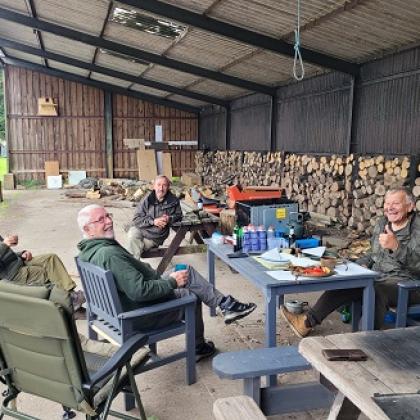
I know that I’m a little late writing this, all was going well until I had a tick bury itself in me at the end of July and that put paid to a normal life for a bit. I’m now in my third week of not really being with it, but now forcing myself to at least try and tap a few words out. Basically, since all the swelling has gone, I have been left incredibly tired and struggling to focus on things. Even a walk up to the post box a little earlier, really took it out of me.
But for now, less of the tick and Lyme’s disease and see if I can take a look back into my July notes and transfer a few of the words over to here, hopefully including the odd little trick along the way as I try to with these blogs.
Shaun Harrison's June 2023 Diary Blog

Well, what a month this one has been. It was a little tricky at the start of the month with the scorching weather we have been having but taking that into account, I was able to adapt my approach accordingly and kept the baiting to a regular trickle, rather than putting a feast out there and expecting the carp to stop by and feed. I’m sure from what I see, many anglers just have their one main approach, that works - sometimes.
Of tench and things - Notes from my May Diary

Here I sit in my writing cabin with the rain falling just inches away. I don’t know what it is, but the rain always puts me in the mood to get away from my desk and write. So, we are on the last day of May and I won’t be angling again until June, so why not write about another month that has flown by, I guess with all the bank holidays, I was having a lot of fun.
How much bait?

With running Dream Fishing Holidays on a day-to-day basis as well as owning Quest Baits Ltd, it is common for me to be asked how much bait to take on an overseas trip. Now with selling bait, I guess you would expect me to be telling you to take as much as you can afford, but that nasty little thing I was born with and never managed to shake off kicks in and all that ever falls out of my mouth is the truth.
Small pockets of bait will always catch carp – fact.
April 2023 Blog Diary

April 2023 was a strange old month. It signified one year since the passing of my Father, followed two days later by my birthday. The two dates are so close that I guess they will forever give me the very mixed emotions I experienced this year. For most of my working life I have tried hard not to work on my birthday. This has been quite easy for a lot of them as it usually falls on or around the Easter bank holiday. This year it was to fall on the Thursday before Good Friday. So, I arranged most of my work around this and made sure I had escaped bricks and mortar and all the rest of the concrete jungle I am forced to live most of my life in by Wednesday evening.